
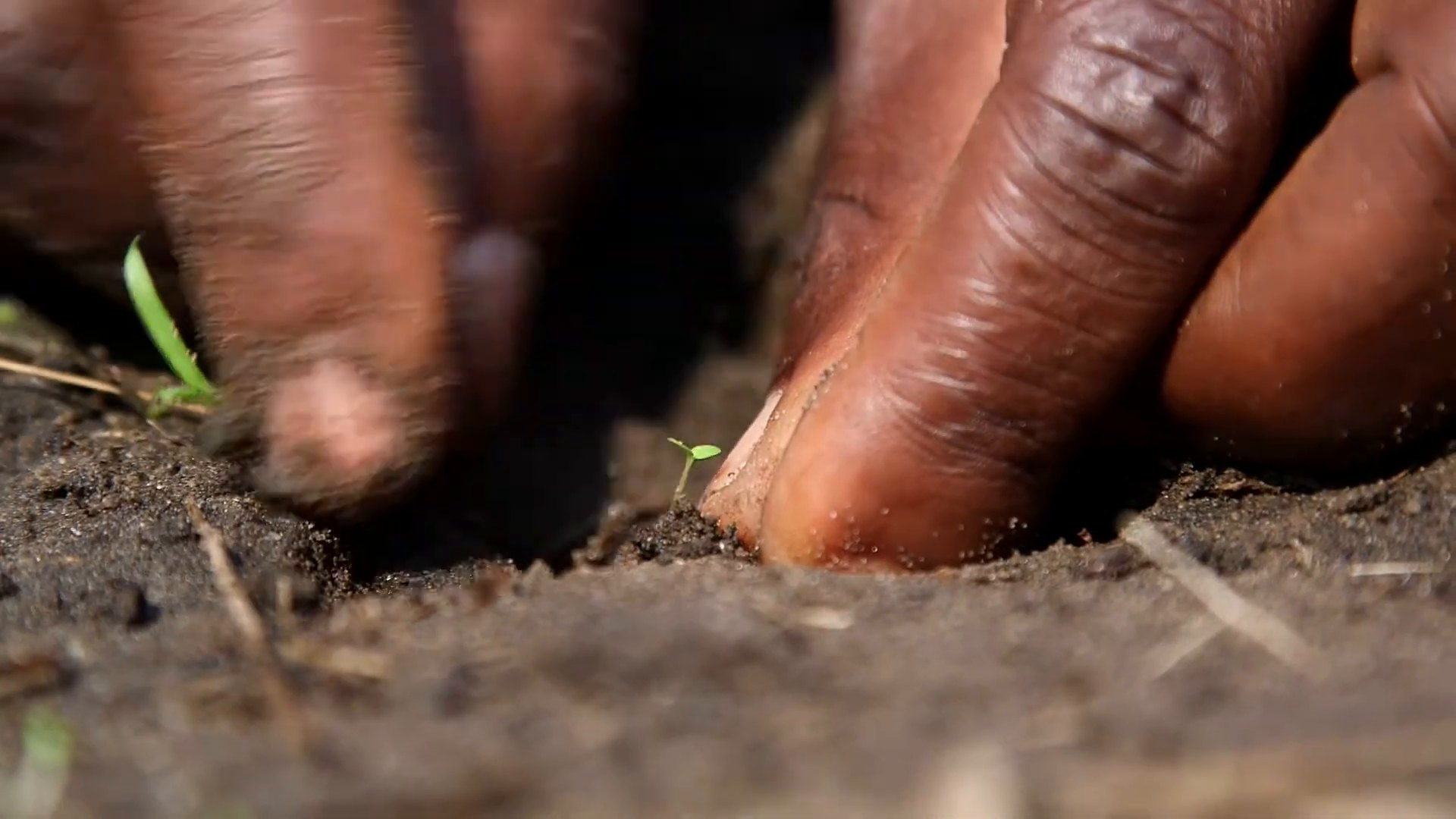
Terroir gets thrown around in tobacco the same way it gets thrown around in wine, usually by someone trying to sound like they know more than they do. Strip the jargon out and it just means this: the soil, the rainfall, the altitude, and the swing between day and night temperature all leave a fingerprint on what grows in that ground. Move the same seed to different dirt and you get a different plant.
Mozambique’s Manica province isn’t trying to taste like Nicaragua’s Estelí valley. It can’t. The mineral base in the soil is different, the humidity pattern is different, and the tobacco that comes out of it carries that difference all the way through curing and into the cigar you eventually light. That’s not a marketing claim. It’s just how the plant works.
What that means in a Bongani cigar specifically: the binder and most of the filler are grown in soil that has never been part of the premium cigar conversation the way Nicaragua or the Dominican Republic has. The leaf structure and oil content read differently to anyone who has spent years with Central American blends. You don’t need a trained palate to catch it. You need one cigar.
We didn’t build this blend to win an argument about terroir. We built it because the tobacco coming out of Mozambique deserved a place in the American market, and nobody was giving it one. The wrapper still comes from Cameroon leaf, chosen because it’s proven for exactly this kind of full bodied blend. Everything else in the chain, the growing, the curing, the rolling, stays on African ground.
If you’ve smoked long enough to have opinions about terroir, this is a chance to test them against soil you haven’t tried. If you haven’t, that’s fine too. The only qualification is curiosity.