
The Blog
This is where we write about the soil, the farmers, and the choices that go into every batch — the parts of the story that don’t fit on a product page. Terroir, curing, the growers in Mozambique and Cameroon, and what shapes a cigar beyond the tobacco itself.
The Journal
Latest From Bongani
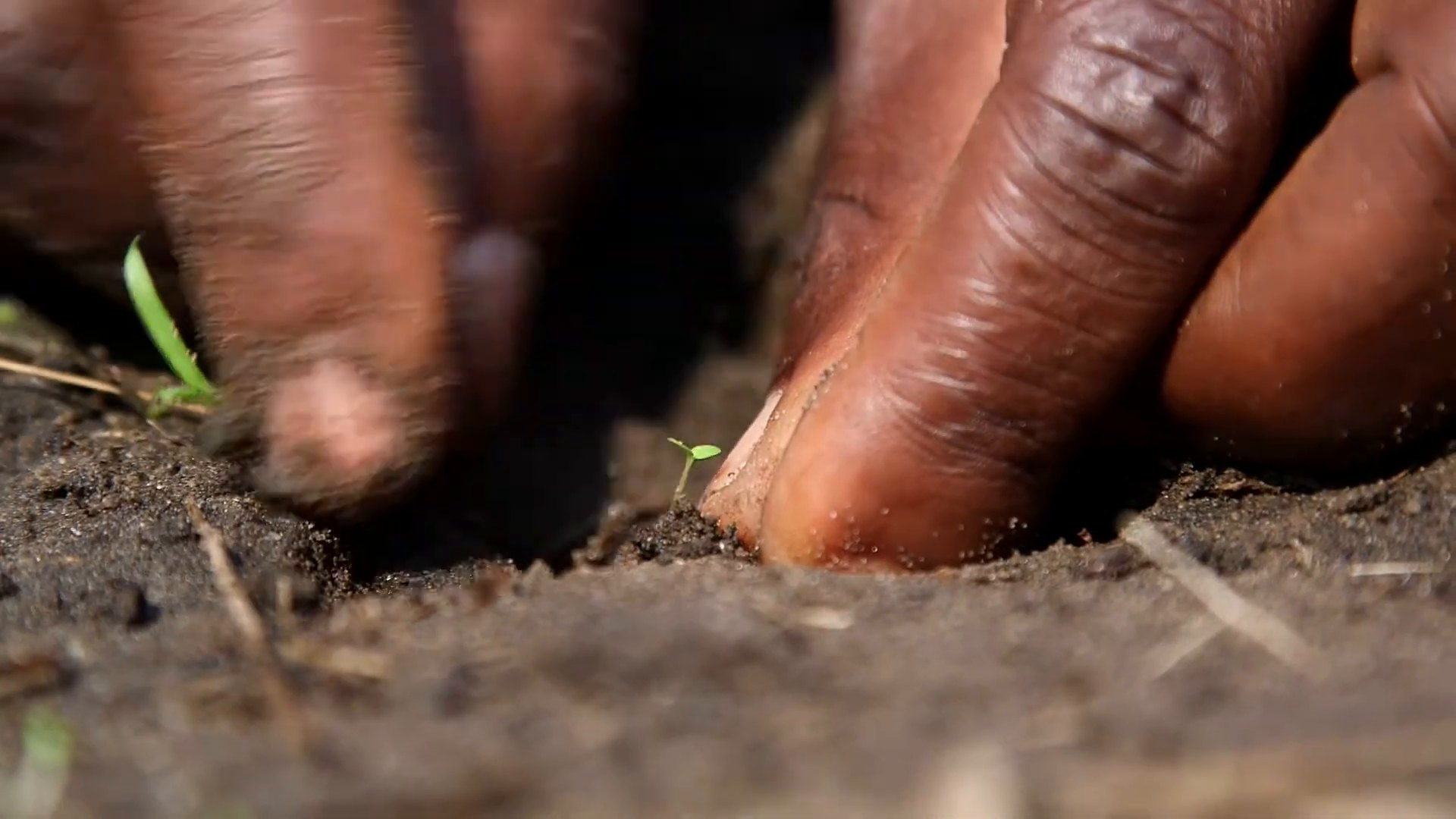
What Terroir Actually Means for a Cigar You Haven’t Tried Yet
Terroir isn’t a wine word we borrowed to sound serious. It’s the reason Mozambique soil and Nicaragua soil never grow the same leaf twice.
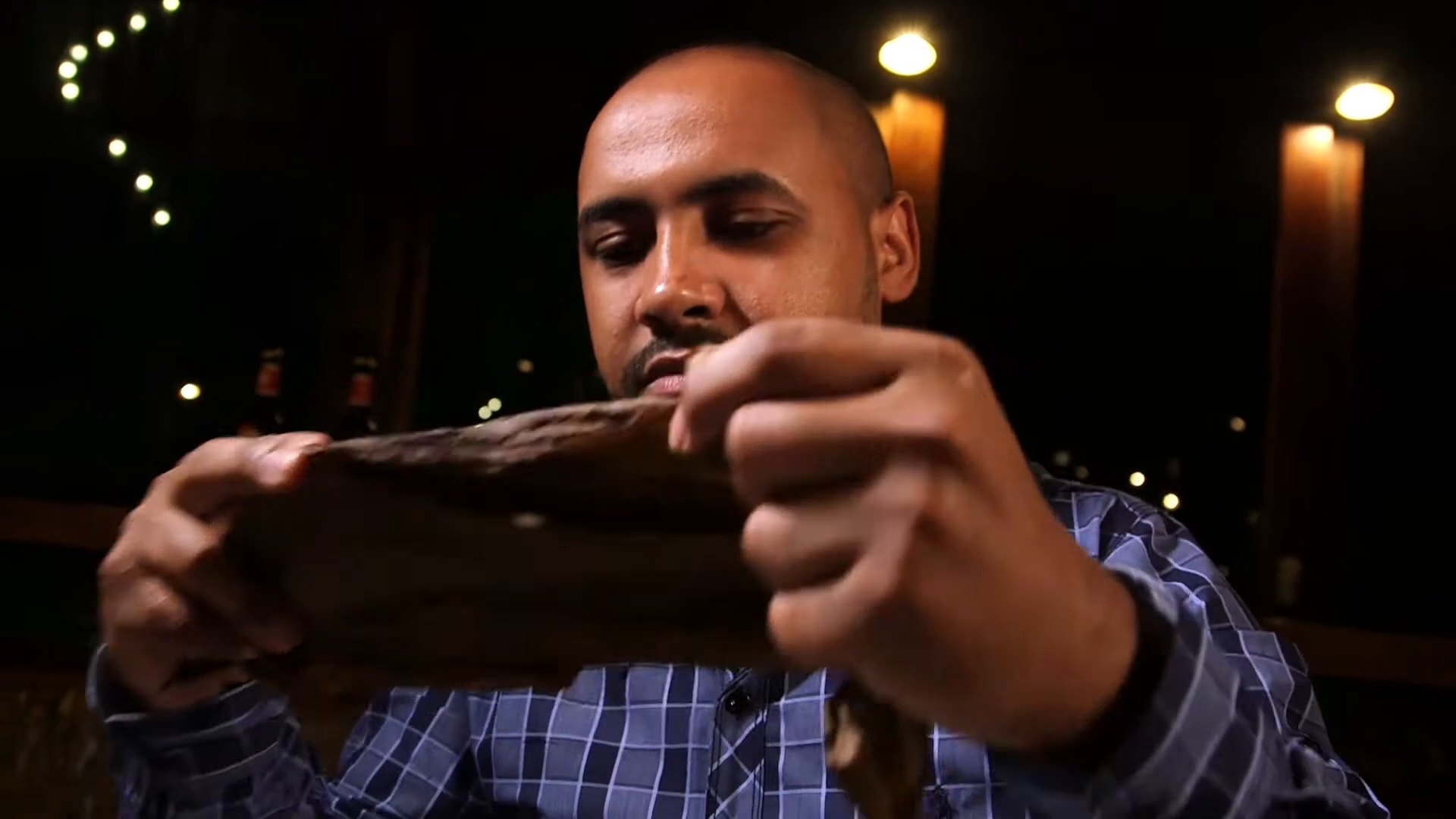
Why We Didn’t Walk Away From Cameroon Wrapper
Cameroon leaf has backed some of the best known cigars in the industry for decades. We built around it instead of pretending we needed to reinvent it.
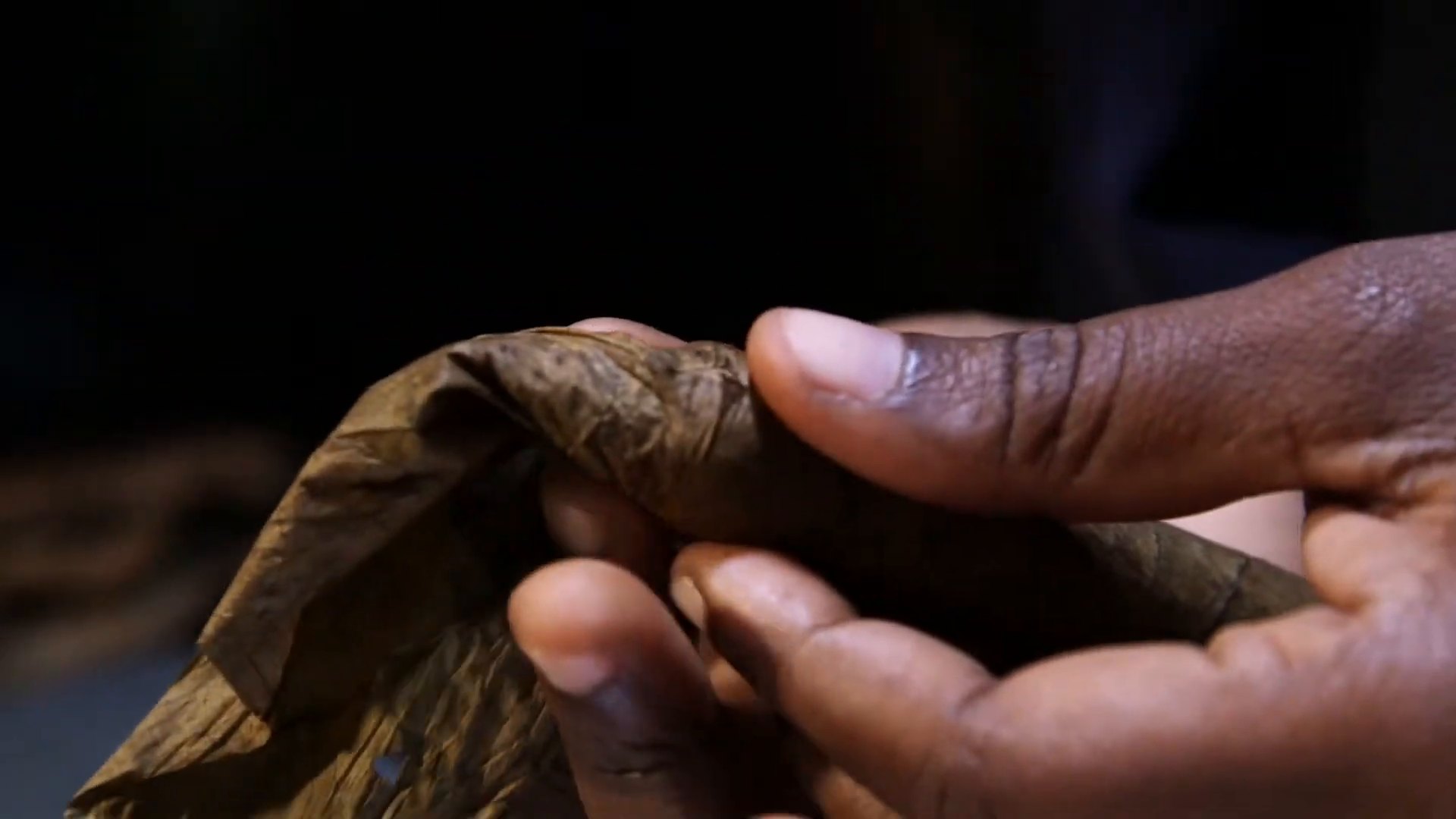
The Honest Reason There’s a Touch of Dominican Leaf in Every Bongani
A brand chasing a clean origin story would hide this. We’d rather explain it, because the reason is boring and correct: it burns evenly.
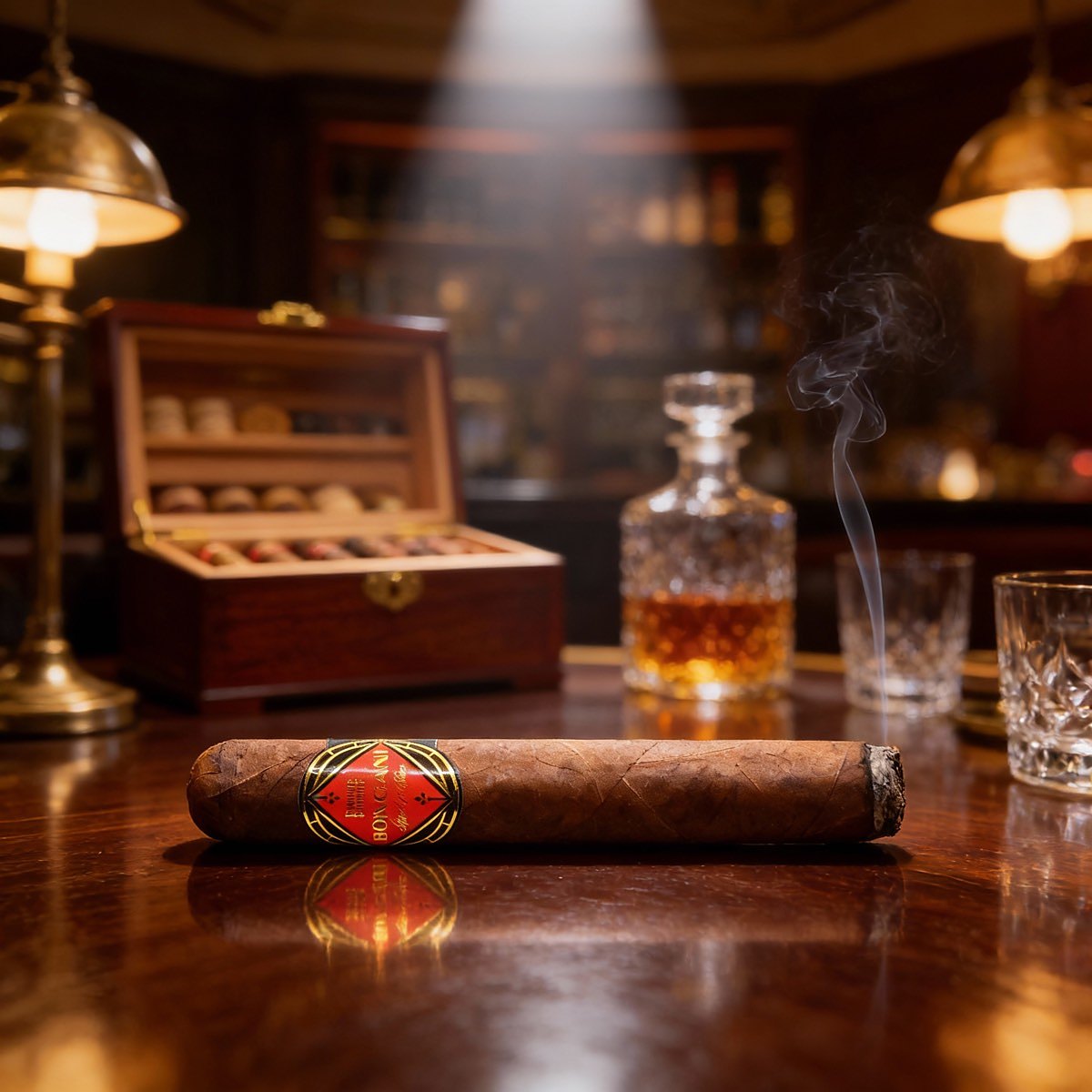
What Ghanaian Cedar Actually Does to a Box of Cigars
Aging isn’t a finishing touch we added for the story. It’s a real step that changes what’s in the box by the time it reaches you.
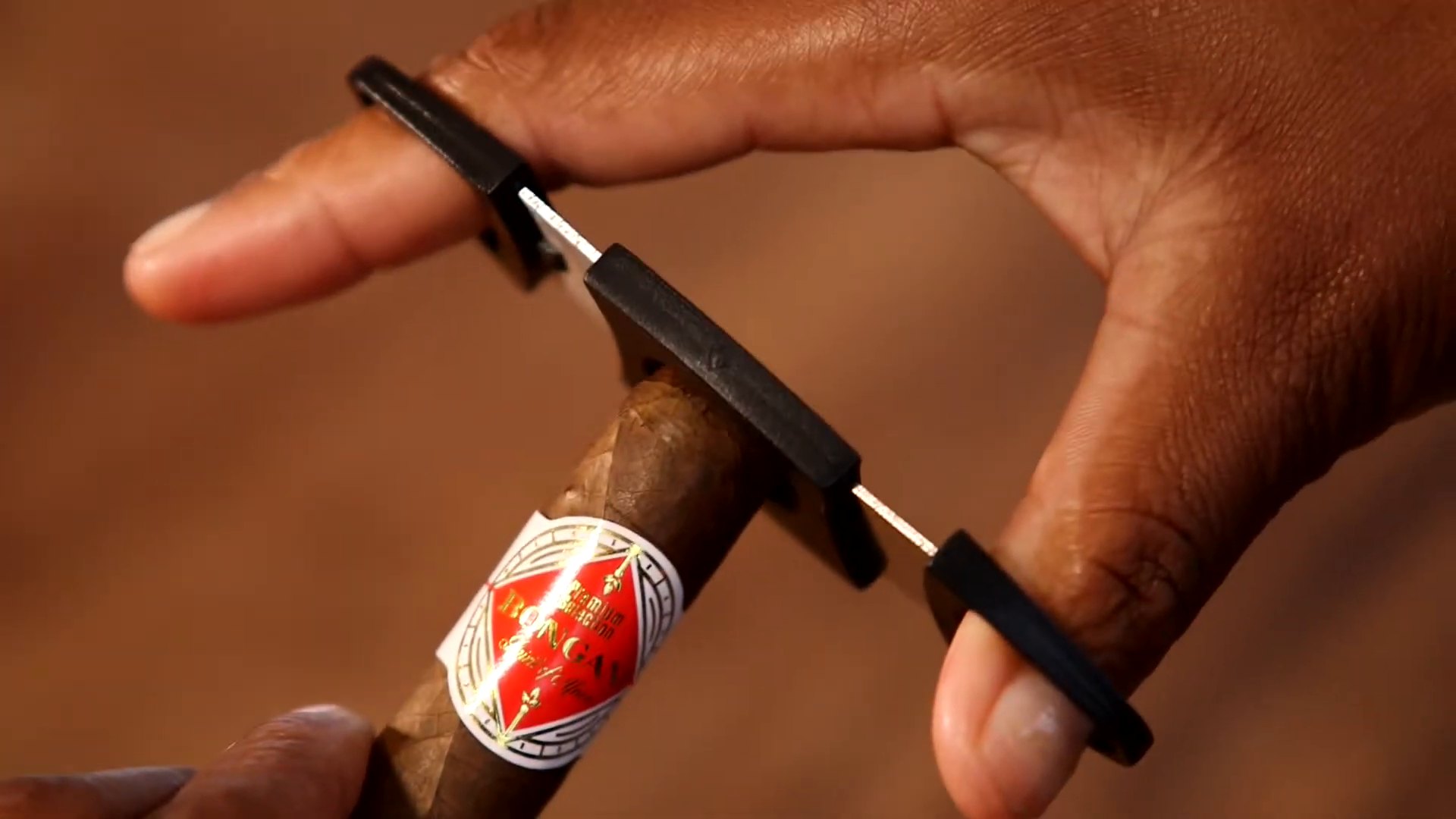
How to Actually Evaluate a Cigar You’ve Never Seen Before
Not a beginner’s guide. A short, honest rundown of what to actually pay attention to the first time you light something unfamiliar.
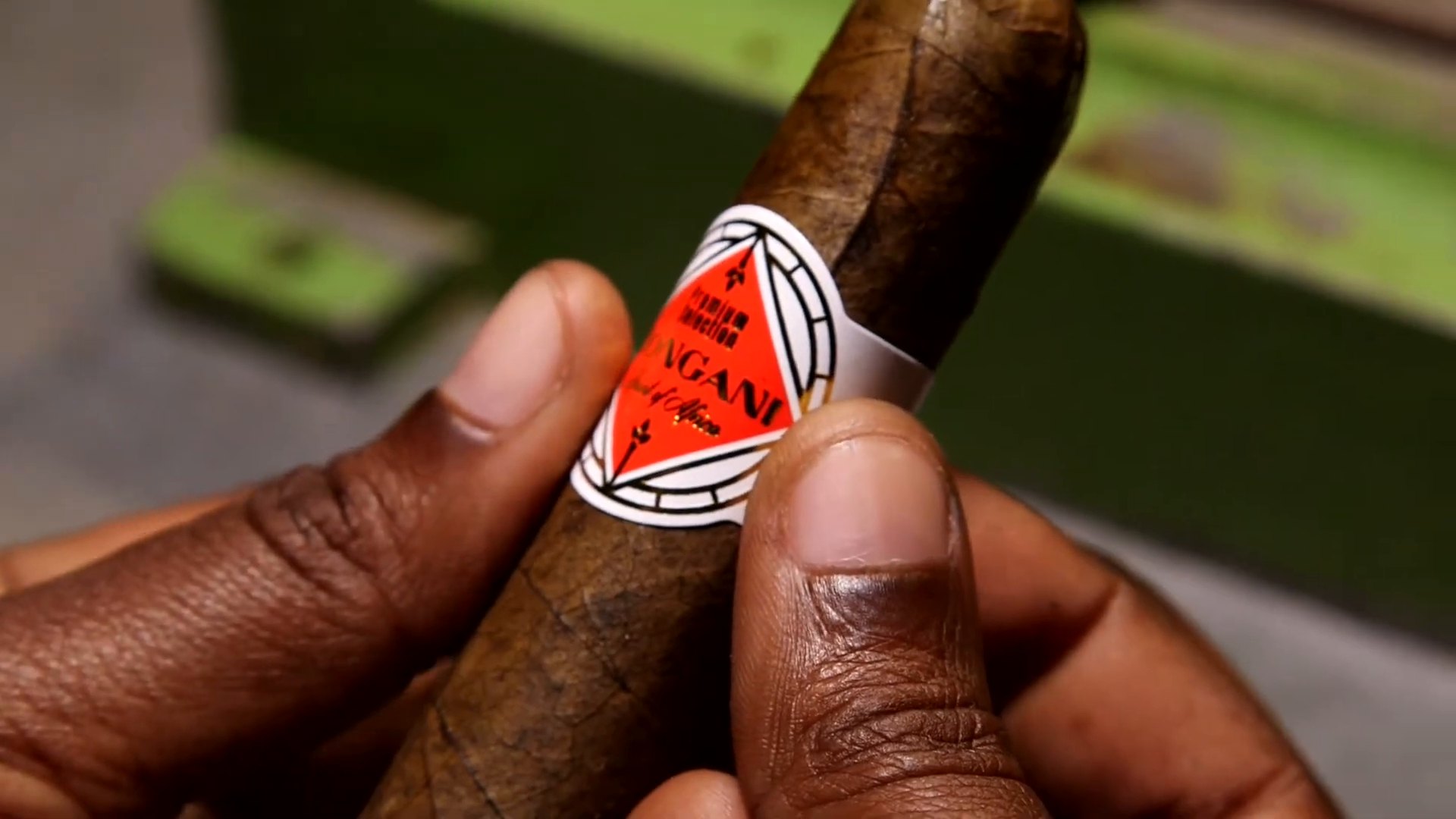
Building a Rotation Around Four Vitolas Instead of One
Robusto, 658 Toro, 458 Gordo, Lancero. Same production chain, four different smoking experiences. Here’s how they actually differ in practice.