
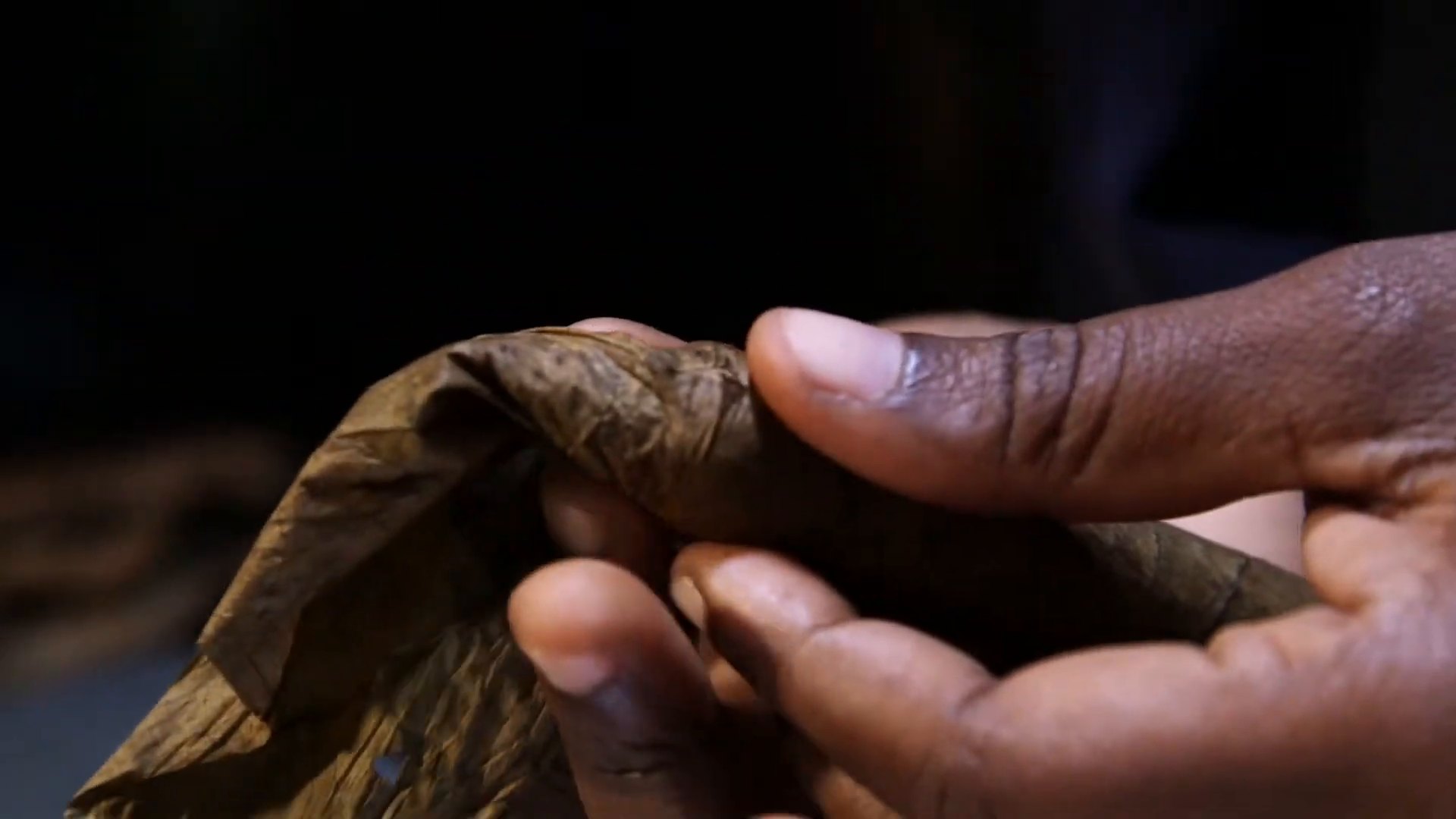
If you read the fine print on our blend, you’ll notice the filler isn’t entirely Mozambican. There’s a touch of Dominican tobacco in there too, and we get asked about it more than almost anything else in the production chain.
The honest answer is unglamorous. A touch of Dominican leaf helps the filler burn clean and even, the same reason plenty of respected blends from established houses reach for a second country’s tobacco even when their whole identity is built around one region. Combustion is a real engineering problem in a cigar, not just a flavor one, and pretending a young production chain in Mozambique had already solved it without any outside help would have been a story, not a fact.
The backbone of the cigar is still Mozambican. The binder and the majority of the filler come from Manica province soil, the same ground that gives this blend the mineral base and cure profile you won’t find in a Nicaraguan or Honduran cigar. The Dominican leaf is a supporting player, not a foundation.
We’d rather you know exactly what’s in the cigar than discover later that a marketing claim didn’t survive a closer look. A brand built on an honest production chain doesn’t get to leave out the one detail that complicates the pitch. So here it is, plainly: mostly Mozambique, a wrapper from Cameroon, a touch of Dominican leaf for the burn, and boxes aged in Ghanaian cedar. That’s the whole map, no rounding up.