
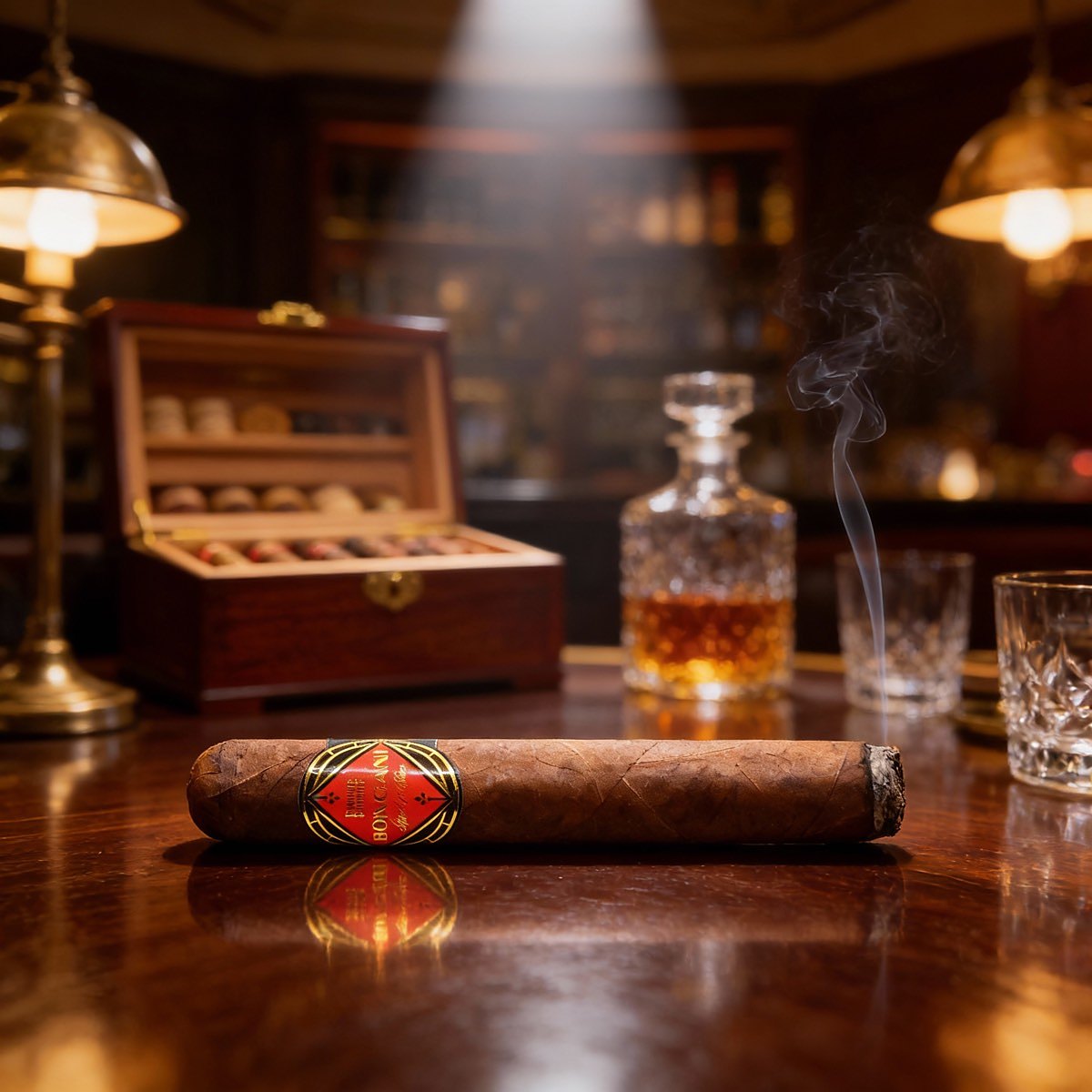
Cedar aging gets mentioned on a lot of cigar boxes without much explanation of what it’s actually doing. Here’s the plain version: cedar is porous and aromatic, and a cigar sitting in a cedar-lined box for a stretch of time picks up subtle notes from the wood while the tobacco inside continues to mellow and marry together after rolling. It’s not cosmetic. It changes the smoke.
We age our boxes in cedar cut in Ghana, which keeps the aging step on the same continent as the rest of the production chain instead of shipping finished cigars somewhere else just to finish the job. That’s a logistics choice as much as a flavor one, but it happens to be the right call on both counts. Ghanaian cedar is doing the same job cedar does anywhere else in this industry. We just didn’t see a reason to outsource it once the tobacco had already come this far on African ground.
The practical effect: by the time a Bongani cigar reaches you, whether it’s a single stick or a full box, it’s had time to settle. The construction was clean going in, and the aging step is there to let the blend do what blends do when you give them a little patience instead of rushing a batch to market to hit a number.
We’re a young production chain, not an old one, and we don’t have decades of aging rooms to lean on the way a legacy house does. What we do have is a real cedar-aging step that isn’t skipped to save time. That’s a small thing to get right, and we’d rather get the small things right than talk about the big ones and hope nobody checks.