
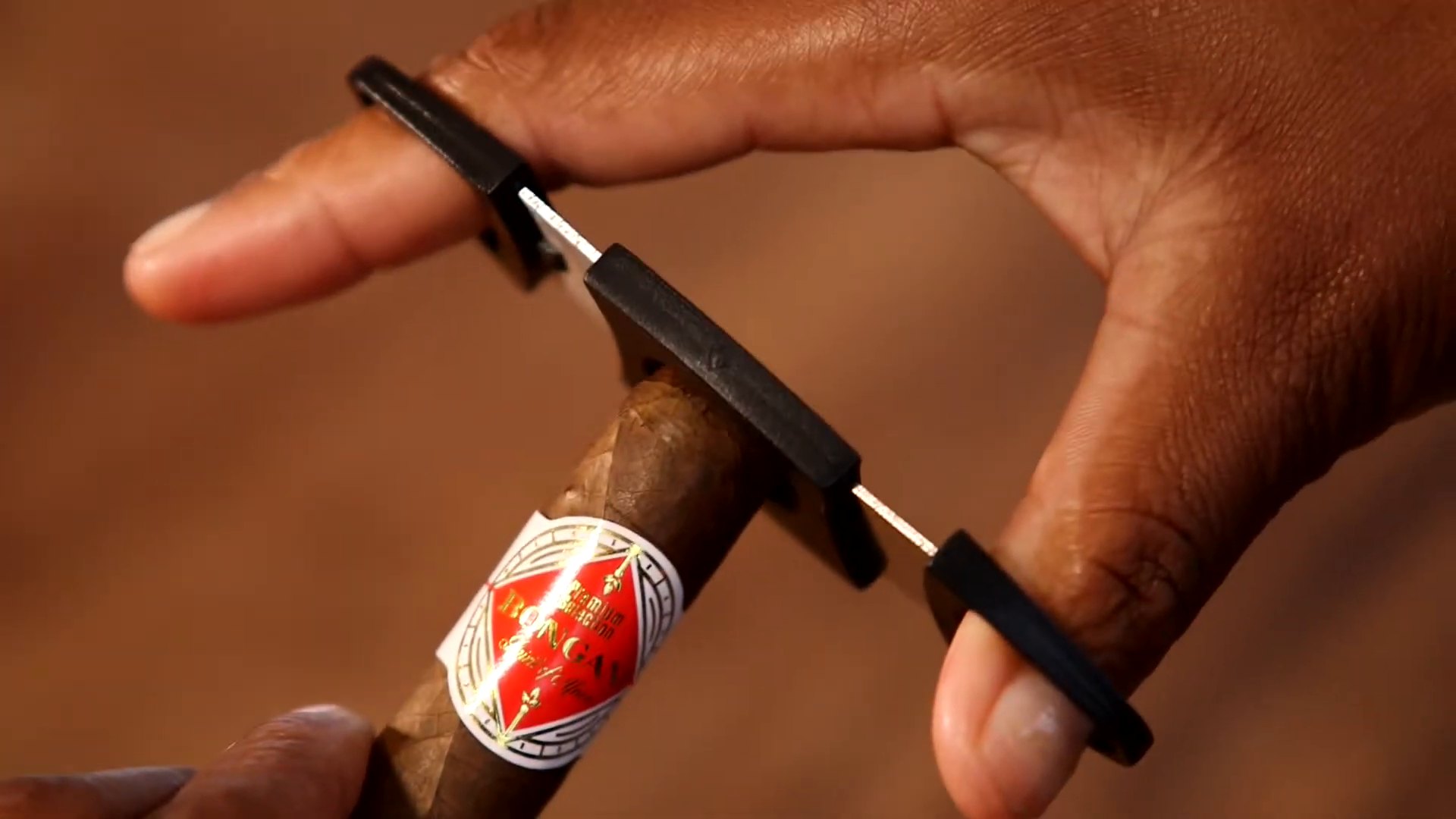
Most cigar guides aimed at newcomers spend too much time on ring gauge trivia and not enough on what actually matters the first time you light something you’ve never smoked. Here’s the shorter version, aimed at anyone curious enough to try an unfamiliar blend, whether that’s a Bongani or something else entirely.
Start with the cold draw, before you light it. You’re checking for resistance, not flavor exactly, though a cold draw often hints at what’s coming. Too tight and the cigar was rolled poorly or too dry. Too loose and it’ll burn hot and fast. A clean, even draw with a little resistance is what you want.
Once it’s lit, pay attention to how the flavor moves, not just what it tastes like in the first two minutes. A cigar that opens with cream and cedar and then does nothing else for the rest of the smoke is a different experience than one that builds toward pepper and coffee in the back half. The arc matters as much as the opening notes.
Watch the burn line. It should stay mostly straight and even without you having to touch it up constantly. A burn that runs wildly to one side usually points to uneven tobacco density or a rolling issue, not something you did wrong holding the match.
Last, don’t rush to compare it to something you already know. The instinct to say “this tastes like a milder version of X” is natural, but it’s also how a genuinely different production chain, ours included, gets flattened into a footnote of a cigar you’ve already made up your mind about. Give it its own read before you go looking for the closest comparison.
None of this requires a trained palate or years in a lounge. It requires paying attention for the twenty minutes you’re actually smoking, which is the part most guides skip past to get to the trivia.